Introduction
Maintaining healthy blood sugar levels is an important part of overall health. Nutrition, physical activity, sleep, and regular health monitoring all play important roles in metabolic wellness.
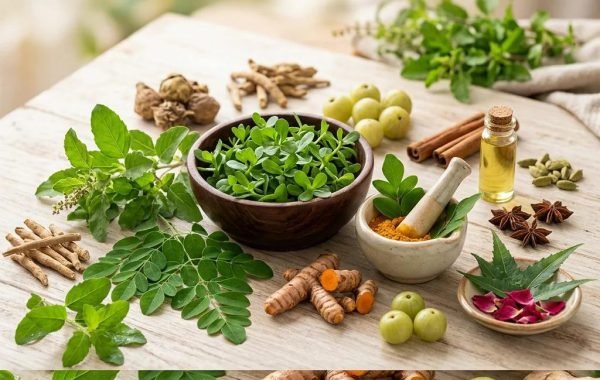
Ayurveda, India’s traditional system of wellness, has historically included several plant-based ingredients that are also being explored in modern nutritional research.
Bitter melon, fenugreek, and jamun are three examples that have attracted interest.
Let’s explore these ingredients and some everyday habits that can support a balanced lifestyle.
1. Bitter Melon: A Traditional Herbal Ingredient
Bitter melon, also known as bitter gourd or karela, is widely used in Indian cooking.
It contains naturally occurring plant compounds and has a history of traditional use in Ayurvedic wellness practices.
It is also being studied for its potential relationship with glucose metabolism. However, current evidence is not sufficient to establish it as a treatment for diabetes.
Enjoying bitter melon as part of a varied diet is different from using concentrated extracts or supplements.
2. Fenugreek: More Than a Kitchen Spice
Fenugreek is a popular ingredient in Indian kitchens.
Its seeds contain soluble fibre and other naturally occurring compounds. Fenugreek has traditionally been used in food and herbal preparations.
Some research has investigated its potential effects on blood glucose, but results are not conclusive enough to replace established diabetes treatment.
3. Jamun: A Fruit with Traditional Significance
Jamun, also called Indian blackberry, is a seasonal fruit traditionally valued in India.
It contains plant compounds and antioxidants.
Jamun and its seeds are also discussed in traditional wellness practices. However, claims about its ability to control diabetes should not be treated as established medical facts.
4. Build a Balanced Eating Routine
Your everyday food choices matter.
Consider these practical habits:
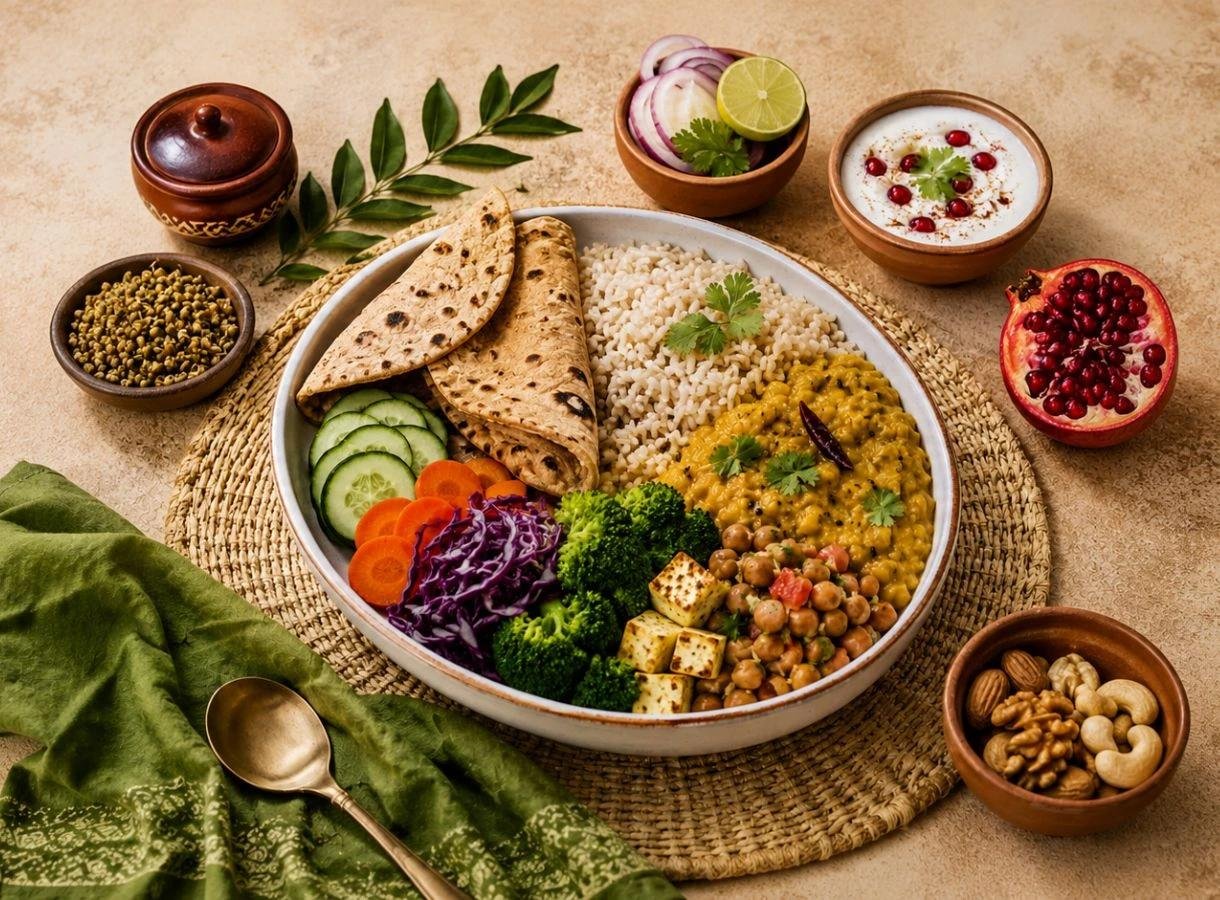
- Include fibre-rich vegetables in your meals.
- Choose whole grains more often.
- Include appropriate portions of protein.
- Limit sugary drinks.
- Pay attention to portion sizes.
- Eat meals at regular times when appropriate for your care plan.
A registered dietitian can help create a nutrition plan suited to your individual needs.
5. Stay Physically Active
Regular physical activity supports metabolic health.
Walking, cycling, swimming, and other suitable exercises can be incorporated into your routine.
If you have diabetes or another medical condition, ask your healthcare professional about safe exercise options.
6. Monitor Your Health Regularly
Blood glucose monitoring and routine medical check-ups can help you understand your health status.
People with diabetes should follow their prescribed treatment plans and should never stop or reduce medication because of an herbal product.
Can Ayurvedic Supplements Replace Diabetes Medication?
No. Ayurvedic supplements should not replace prescribed diabetes medication, insulin, medical monitoring, or professional care.
Some herbal products may interact with medicines or influence blood glucose levels. Always discuss a supplement with your doctor before using it.
Final Thoughts
Bitter melon, fenugreek, and jamun are interesting traditional ingredients with a long history in Indian food and wellness practices.
However, the foundation of metabolic wellness remains a balanced diet, regular activity, appropriate medical care, and informed lifestyle choices.
At My Aayurveda Health, we encourage an approach that respects traditional knowledge while prioritizing responsible, evidence-informed wellness.
Disclaimer: This article is for educational purposes only and does not constitute medical advice. No herbal ingredient discussed here is a substitute for diabetes medication or professional healthcare. Consult your doctor before taking any herbal supplement.